
Quarantine is making our first schools edition of Building of spines for Compass Festival this autumn.
Taking up residency over two weeks in Abbey Grange C of E Academy school library, Quarantine artist Kate Daley hand-makes a book containing a work of collective fiction based on conversations with students at the school. Working with poet Simone Yasmin – also an Abbey Grange ex-pupil – we’re looking forward to reading the text that emerges from conversations in the library.
Building of spines began in 2024 – and has taken place in libraries across Manchester and the North, as well as touring to Germany as part of Chemnitz 2025: European Capital of Culture.
Here, lead artist Kate Daley reflects on Building of spines and the texts that emerge in each place.
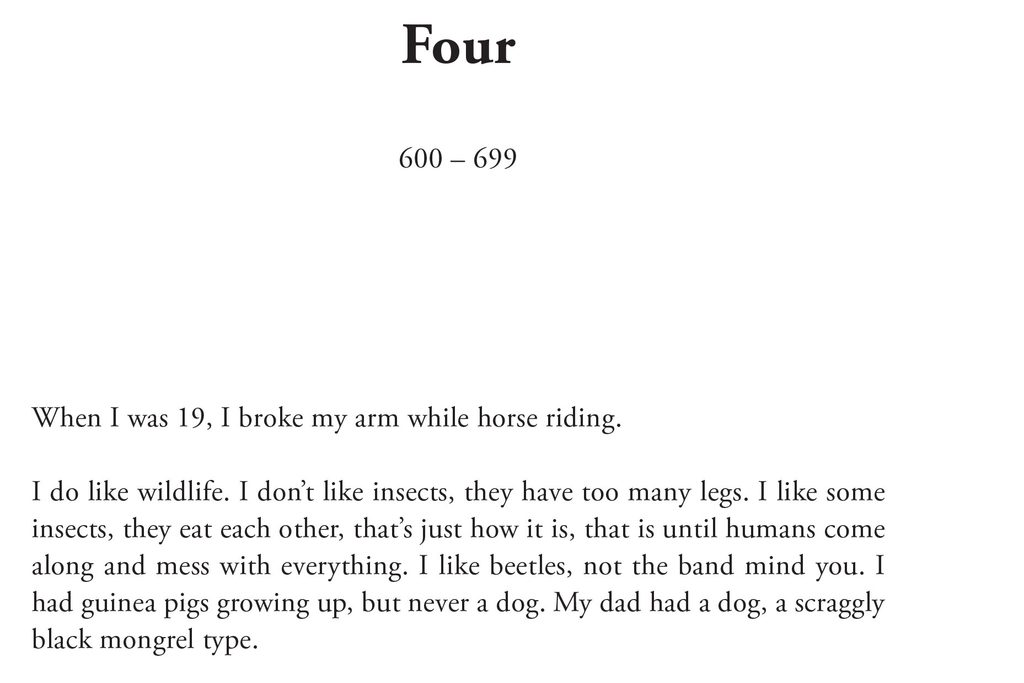
An excerpt from the St Helens edition, 2025
Do you think Building of spines books speak with the voice of a place?
I think Building of spines does speak with the voice of a place, although I’m not sure it’s quite an “if these walls could talk” kind of thing. That feels a bit too romantic to me, particularly because some of the people we speak to might never have set foot inside that particular library before. They could just happen to be there that day.
For me, it’s more about making a snapshot (albeit one with a week-long exposure) of the people who occupy a library, and the knowledge that exists there, both in the books and in the people who happen to be in the building that week. So you get a sense of the place through the people in it, rather than the walls themselves having something to say.
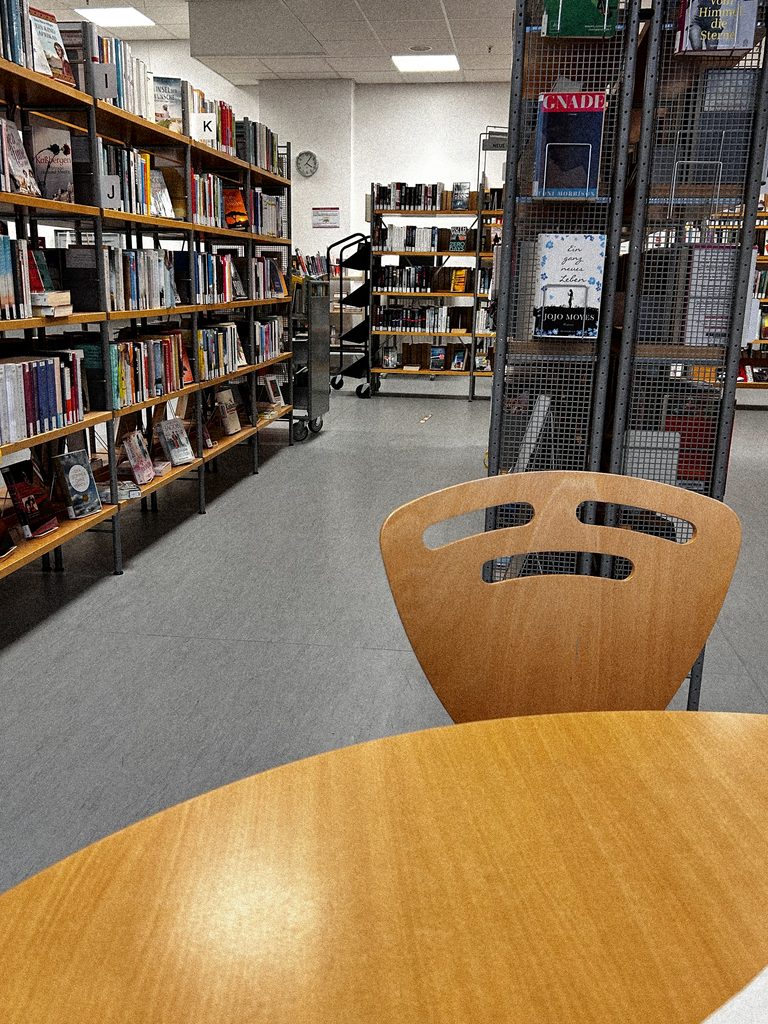
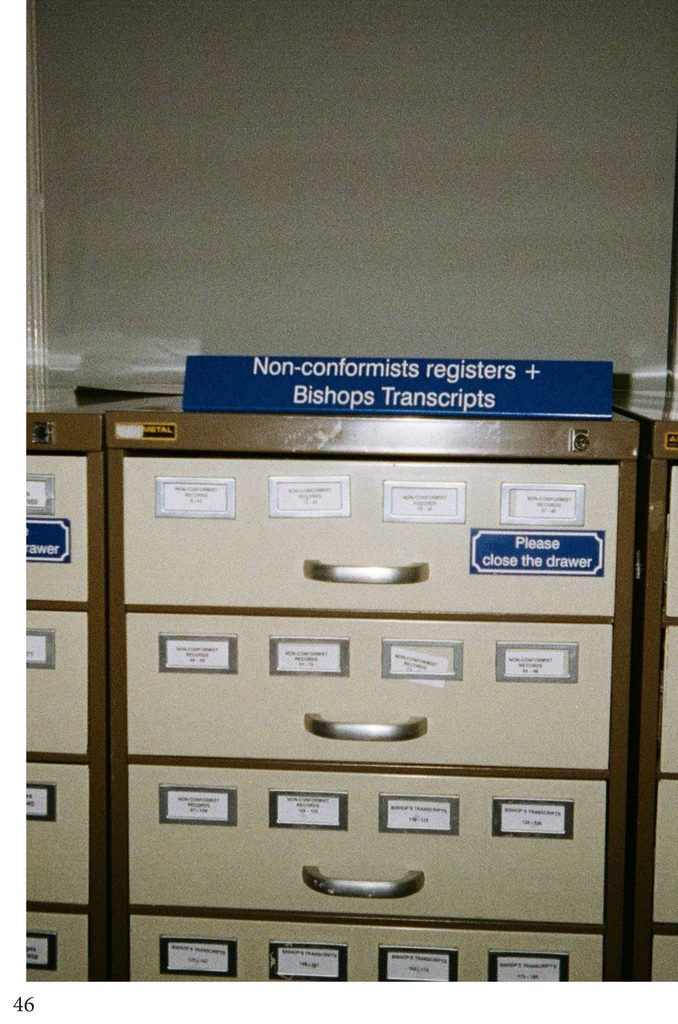
A photograph from a library in Chemnitz and page 46 from the Leeds book, 2024
Do accents emerge?
Yes, definitely. We try to stay true to local dialects where we can, while also making the writing accessible and sensitive to people who might be learning English. Sometimes people make happy accidents or come out with these slightly broken or fragmented turns of phrase, and I find them objectively beautiful, even if they probably wouldn’t feel beautiful to the person saying them. It’s a bit like the beauty of wrinkles on other people’s faces, but not necessarily your own. I like to keep those things in where I can.
And the place comes through in other ways too. Street names, landmarks, pubs, cafés, parks, the topology of a place, all of those things find their way into the books. But so do faraway places, journeys to and from other parts of the world. The place you’re in isn’t just what’s around you. It’s also the places you’ve left, the places you remember, the places you imagine, or the places you’re trying to get back to.
The project moves through different categories of the library books as starting points for conversation.
Are there topics that are easier to talk about than others?
I often find that people are happier talking about their past than they are about the future. The past is solid. It’s happened. The future is a bit more difficult – it’s fuzzy and undecided and you don’t really know what’s going to happen. But actually, those answers can be the most interesting ones, because you get all these different ways of looking at the world and imagining what might come next.
I suppose that’s part of why the project developed in the way it did. My grandparents saw my beginning but they won’t see my end. I obviously wasn’t there to see their beginning, but I have seen how things end for them. I imagine us as two books on the opposite end of the same shelf.
Do you think this next edition might have a distinctive generational voice?
I definitely imagine this next edition will have a younger voice. The questions we ask, the things we remember and the things we’re unsure about are all shaped by the particular moment we happen to be living through. If we did the same project again in ten or twenty years, I’d expect it to sound different. It’s different everywhere we go.
I suppose that’s what the library is quite good at – holding all different types of knowledge and points in time.
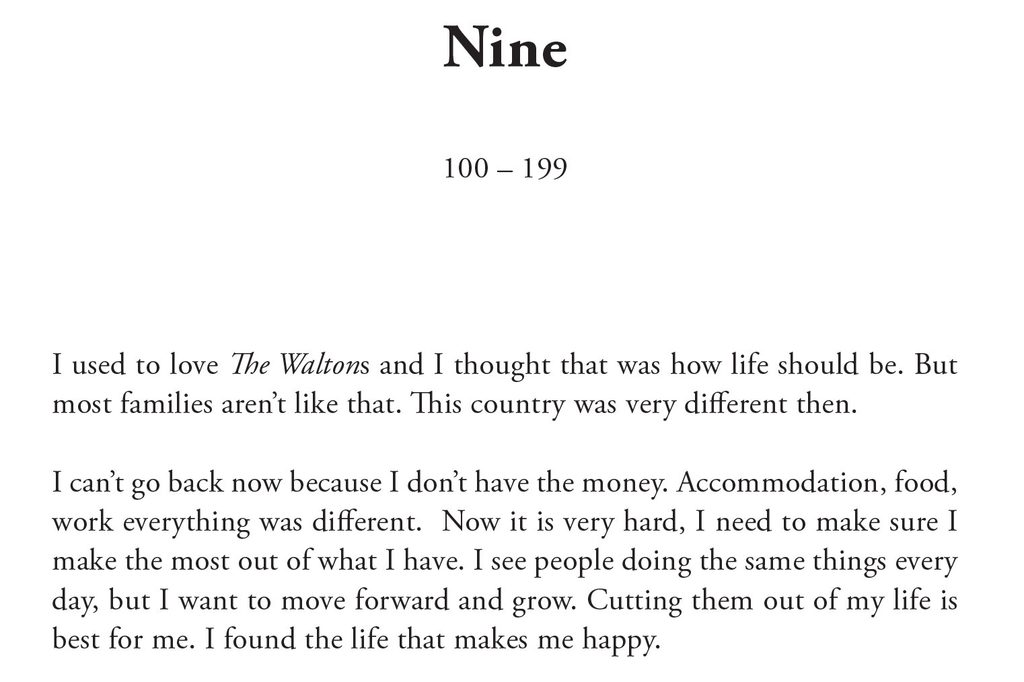
An excerpt from our Leeds Central Library edition, 2024
How else does this school version differ from past versions?
The questions in this version will be led by the categories used in the school library, which are different from the Dewey Decimal System.
There are two main categories, Fiction and Non-Fiction, with lots of categories underneath those – from sport to transport, religion to Shakespeare – so it’s logical that the questions will be different from the ones we’d normally ask.
The library isn’t public either, so the children will come out of their English lessons to take part. We’ll probably have less time with each child than we normally would, so I imagine there’ll be more contributors, but shorter contributions.
I think that will change the rhythm of the book quite a bit. Rather than spending a lot of time with each individual person, we’ll get lots of smaller glimpses into people’s lives. Hopefully, taken together, that gives us a sense of the school as a place, rather than just a collection of individual voices.
–
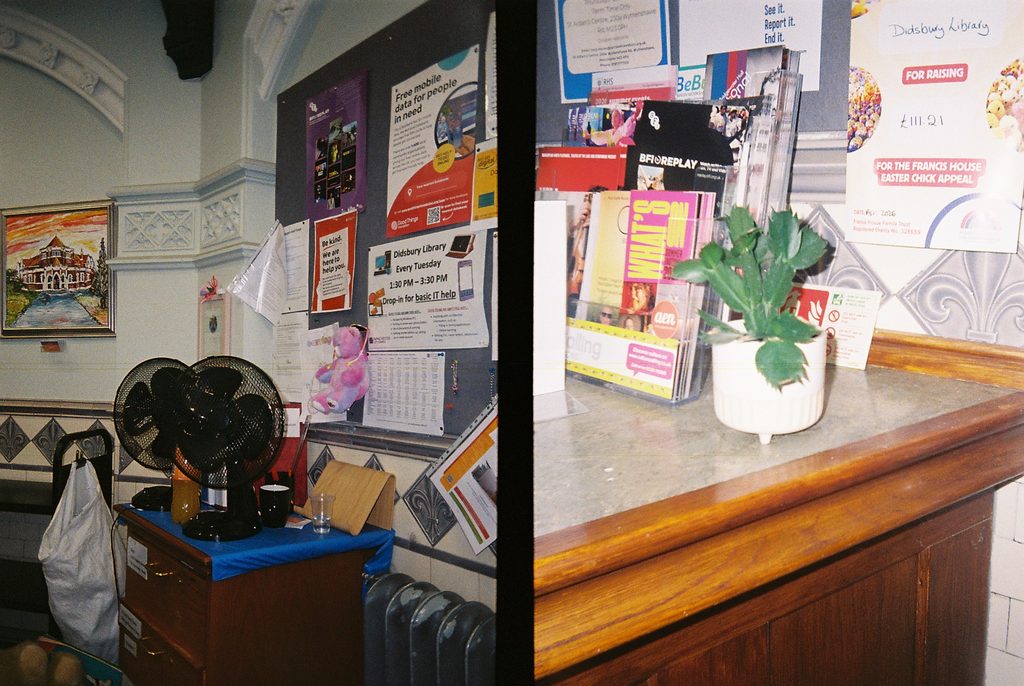
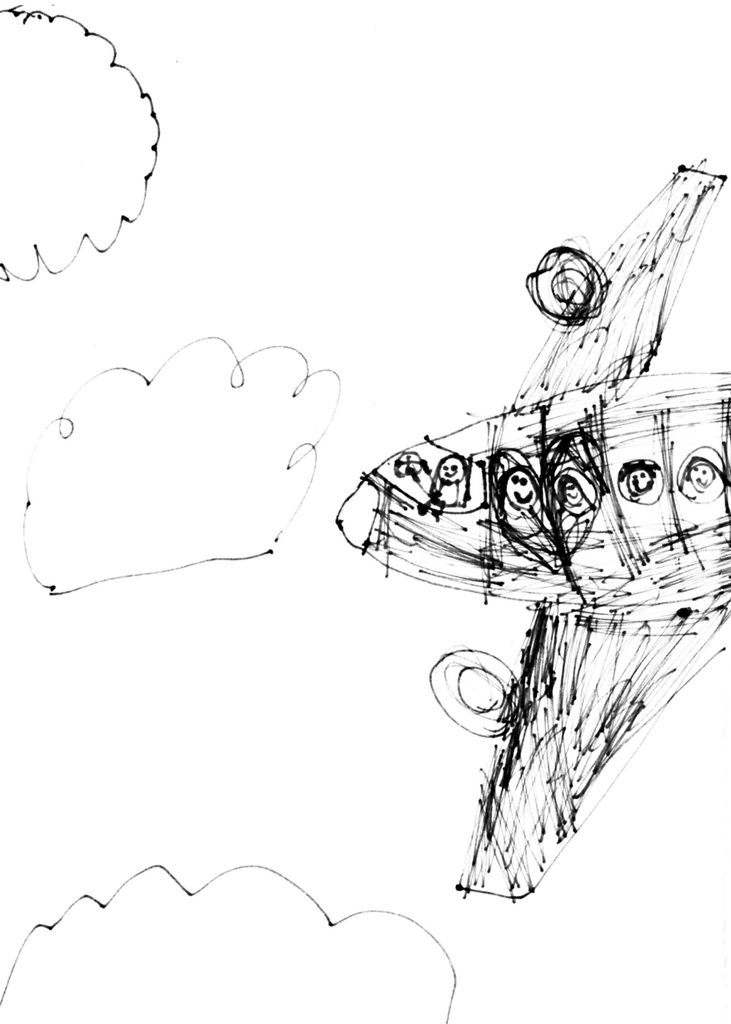
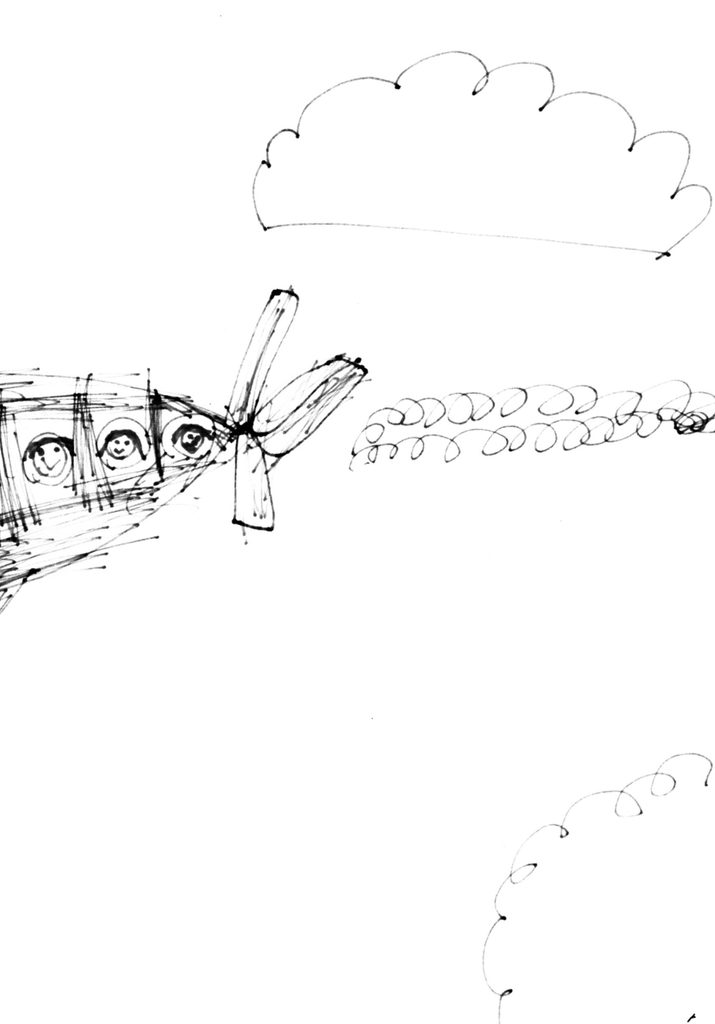
Photos from the Didsbury edition and pages from the Leeds Central Library edition, 2024. Whilst the majority of the books’ hundred or so pages are text, other things – drawings by contributors, and photographs by Kate – can be found as well.
––
Interested in reading a Building of spines book for yourself? Head to the reference section in the below libraries.
A list of libraries with Building of spines books
UK
Chester Storyhouse
Didsbury Library
Gatesheard Central Library
Haydock Library
Leeds Central Library
Longsight Library
Manchester Central Library
Oldham Library
Stockton Central Library
Germany
Vita Centre
Chemnitz City Library
York Library